

With all this talk about the land grab for data center builds to support AI workloads I wanted to offer a counter argument. It won’t raise VC capital or change the path of hyperscalers feeding the frenzy of the current format of AI workloads. If I’m successful in this article I’ll have changed one person’s thinking about what does compute mean for your organization/mission.
Backstory
In 2005 I was working for BAE Systems supporting the U.S. Treasury department right next to the White House in Washington, DC. I remember this was the exact moment I felt I “made it” in tech - when I was allowed into the subterranean catacombs underneath the Treasury building to rack servers and install SharePoint Portal Server 2003 via CD ROM. Before these halls were data centers, did these underground passageways see presidents, mistresses, foreign dignitaries… the mind wanders and smiles.
The following year in 2006, I started my own cloud company when Amazon only had S3 (Simple Secure Storage) as my clients wanted to rent compute, and convert legacy Client-Server applications to SaaS. My clients were highly regulated corporate enterprises, European aerospace companies, and U.S. government agencies who categorically refused to trust Microsoft or early rack space iterations with their mission-critical data. They demanded a level of operational autonomy and security that off-the-shelf vendors simply could not provide. So I founded Portalogiks (aka CloudMoto) and built a private cloud deploying IaaS and PaaS for my clients.
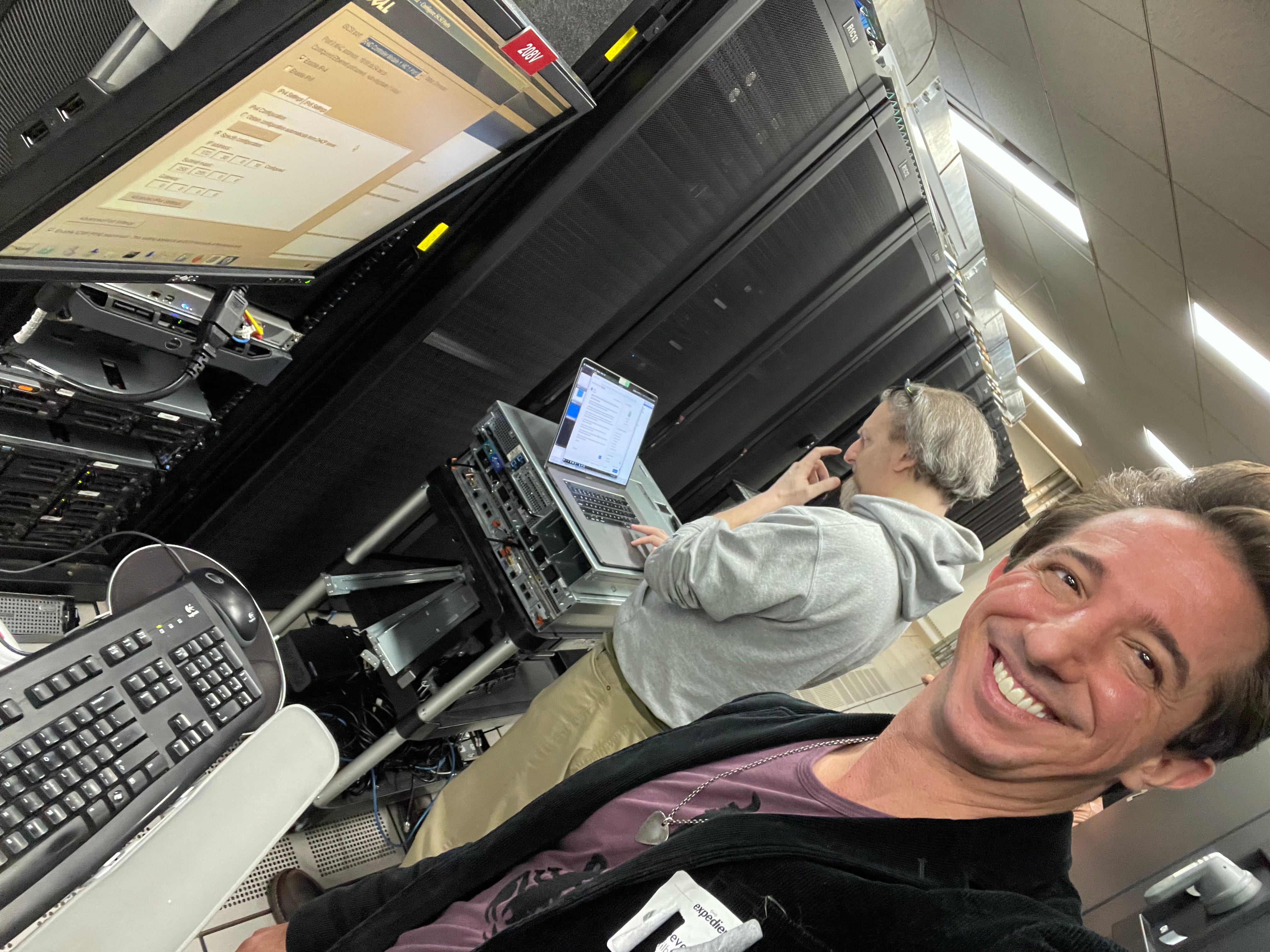
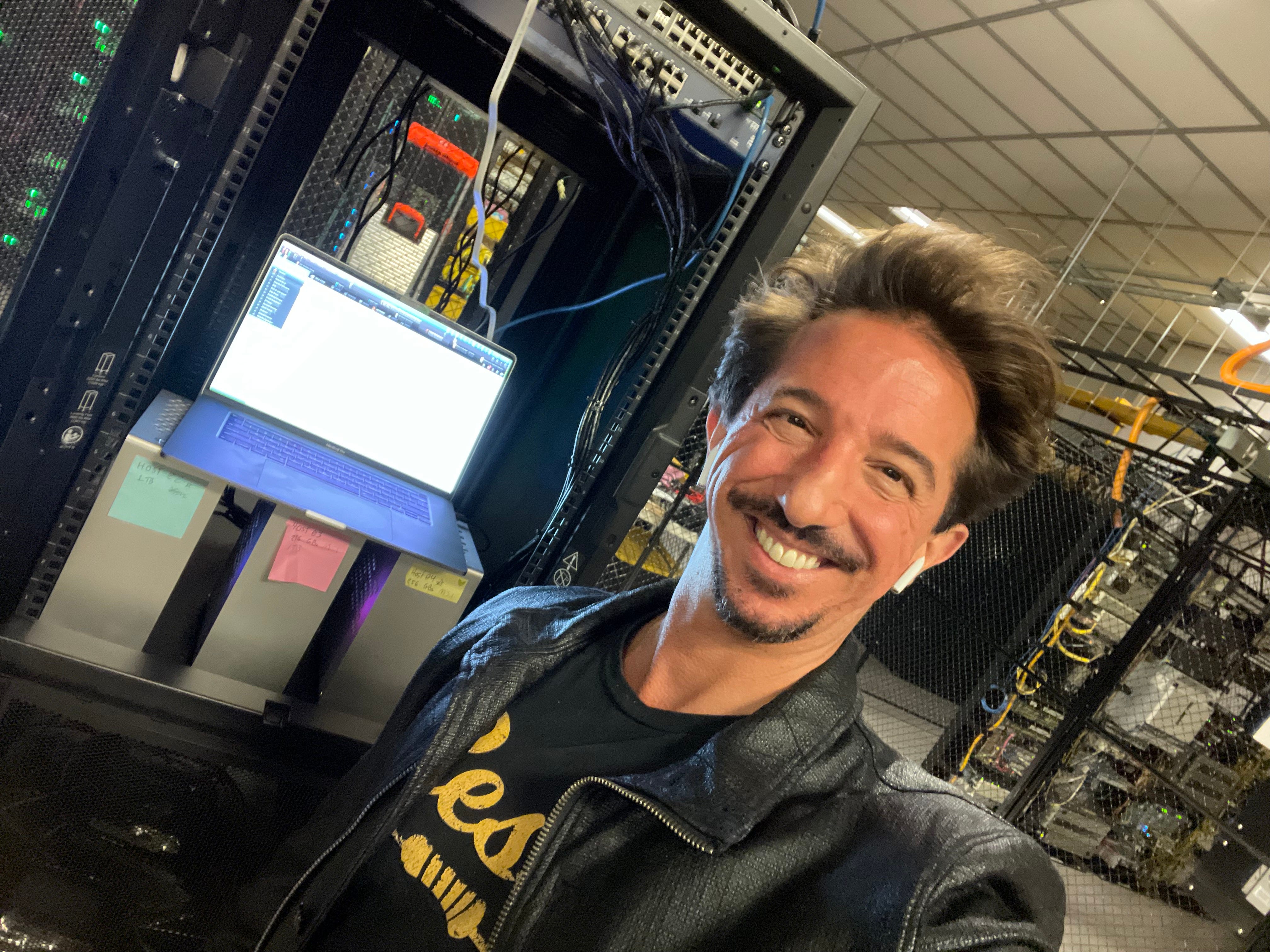
As the founder and Director of Cloud Software, I didn’t just write code; I architected end-to-end sovereign private clouds from the ground up. I toured data centers, learned hardware deterministic planning and procurement, racked servers, migrated data centers, developed DR and BCP plans, built high-availability clustered failover services, all of this before Microsoft Azure had even launched in 2010. I worked across Level III Communications, Expedient, DataPoint, INAP, among other data center providers sometimes spending the entire night at a server rack solving major issues. Rule #1 is always bring a winter coat; it’s 50 degrees cold and drafty in a data center!
Plot Twist
Who Told You the Cloud needed a Warehouse?
After decades being committed to the format of the data center and 2U rack-mounted appliances; I was locked in and knew what I was doing. It took an incredible piece of disruptive tech to flip my thinking on its head.
One of my favorite things to do as an innovator is demonstrate a new form factor that replaces the traditional thinking opening a new dimension to possibility. Back in 2024 while supporting CENTCOM (a combatant command for the Middle East region in the U.S. military) I had the opportunity to show my Internet in a Box demonstration.
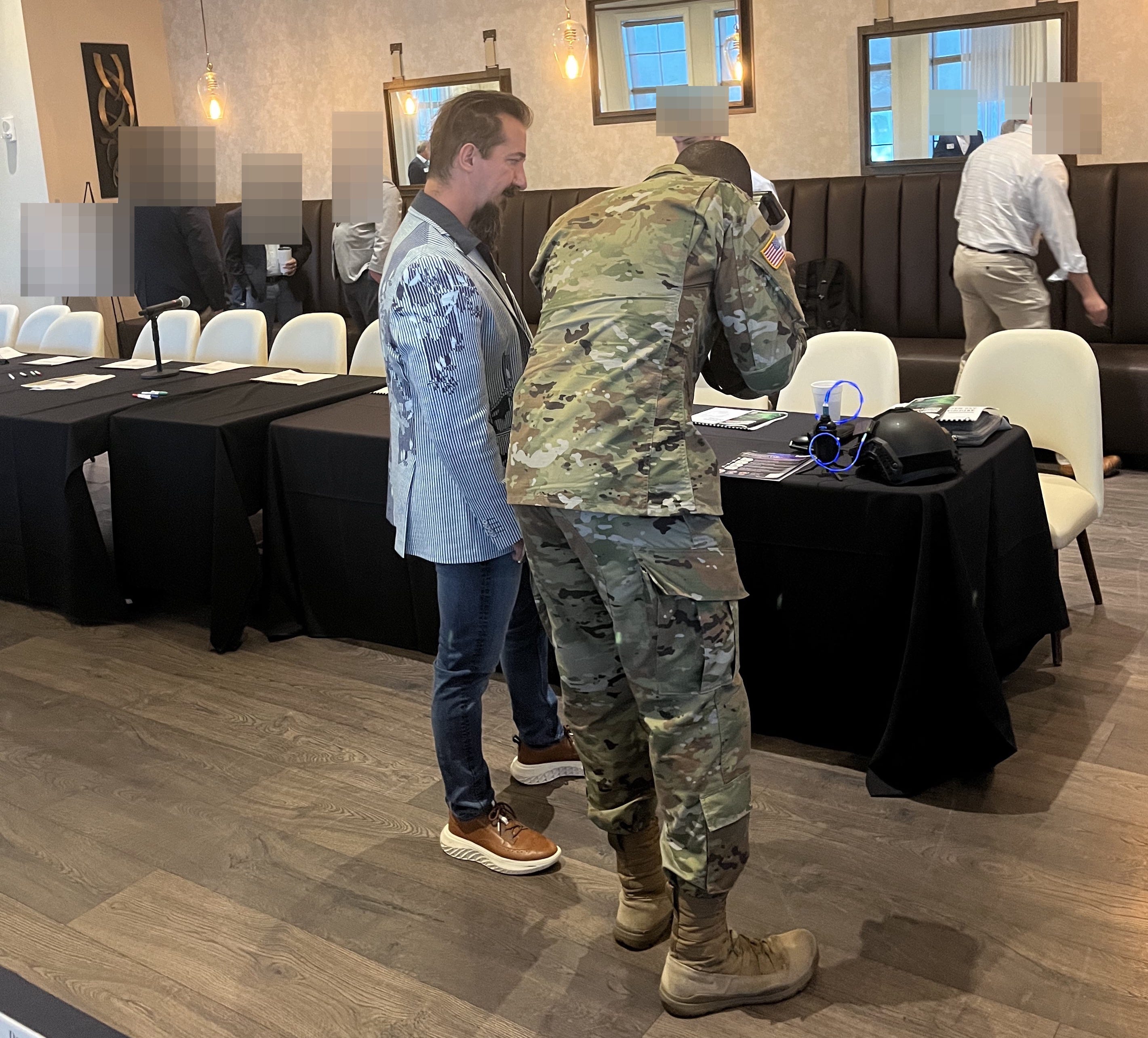
Imagine a portable server that is the size of your car’s key fob. Imagine loading specific mission applications and the key internet territories into a wearable device that only costs $15. In this demo I have every world map down to street view, all 7 million Wikipedia pages, a learning management library with thousands of videos, and your mission application all on a thumb-sized 1-watt server broadcasting it’s own private WiFi network.
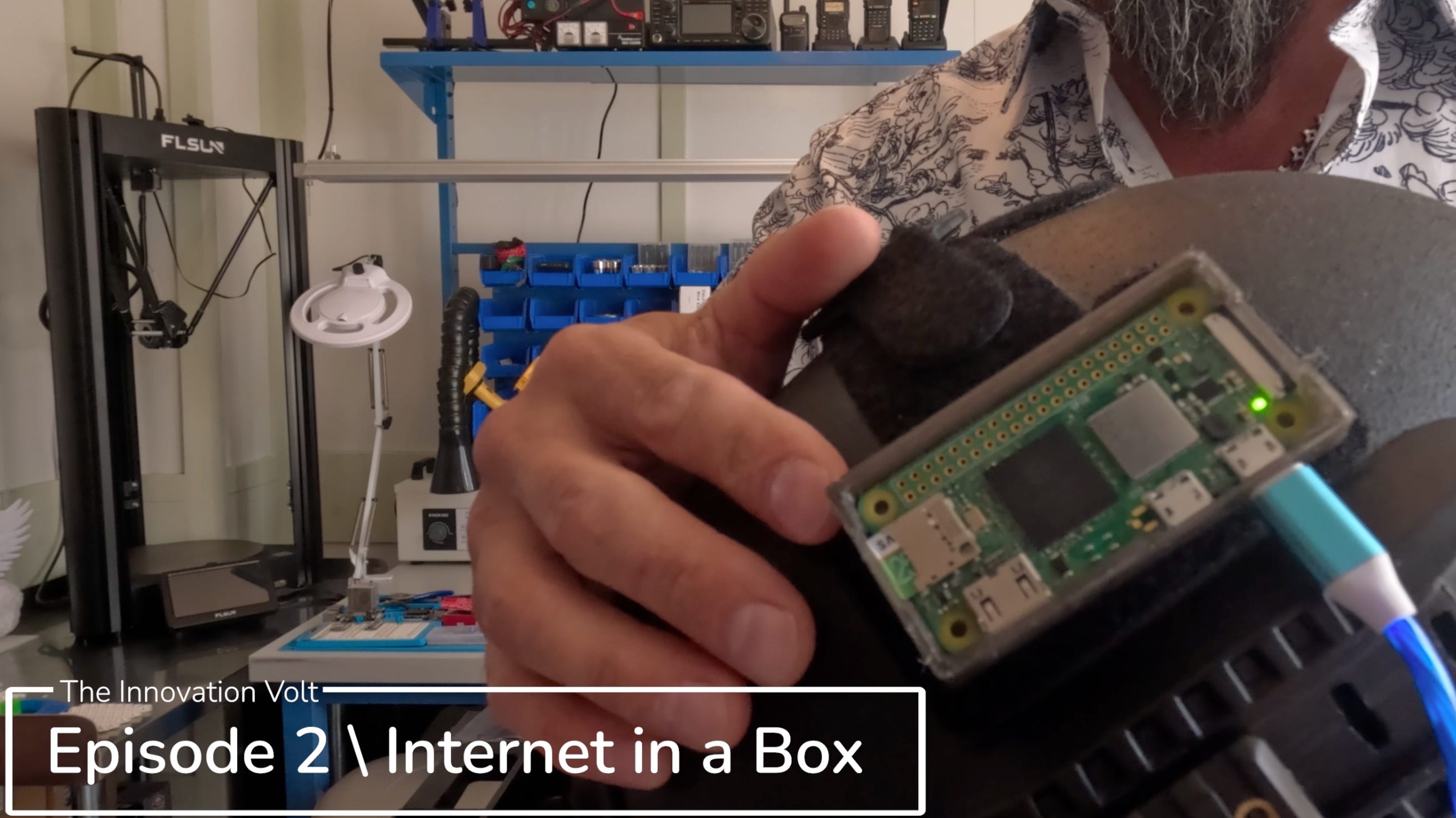
In the image below, the laptop is connected via WiFi to a Raspberry Pi Zero putting out its own WLAN as a private network for end devices to connect to load applications. The solider’s helmet is the server, the laptop and nearby phones are merely connecting to access multiple applications in real-time in a secure local loop bypassing all ISPs, cloud providers, and foreign influence.
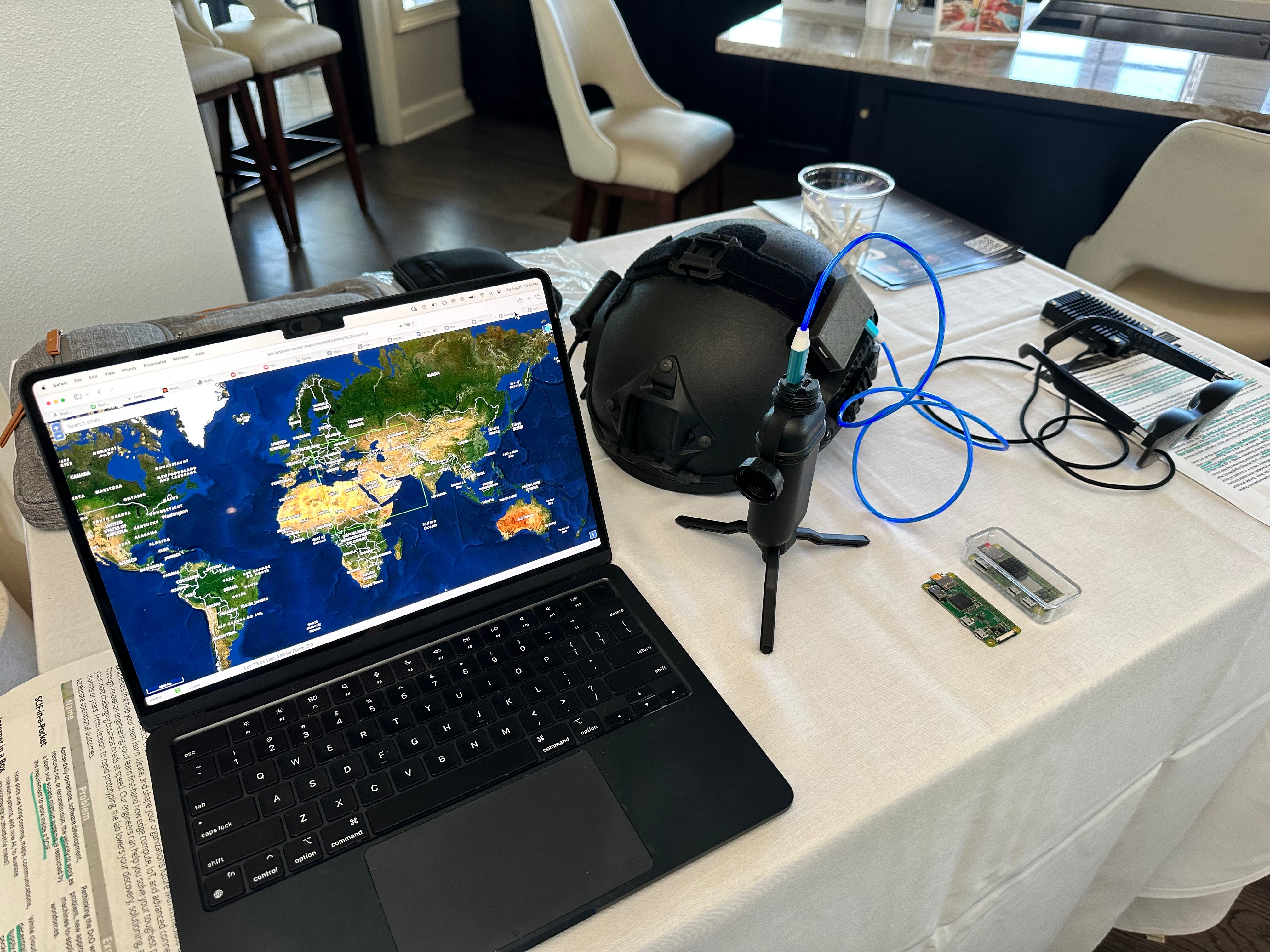
The point of this demonstration was to show that you don’t need the cloud to do applications or AI; you need computational connectivity. Watch the entire demo and use case video below from 2024. If this 9 minute video utterly challenges your perception of what the cloud is, then I was successful. You can even buy a fully outfitted civilian version of this Internet-in-a-Box as Prepper Disk at the website.
Summary
There is an ugly business downside of the cloud that few talk about. Back when I started my tech career in 2001, any of my bosses or clients could easily tell me that a Dell PowerEdge 2950 server was 2U in rack space, cost a few thousand each, weighed 70 pounds, and required 1,000 watts of power.
As a result of everything going to the cloud, leaders have lost the ability to internalize what compute feels like, smells like, buys-like, and the physically of hardware. The cloud and infrastructure-as-code (IaC) has abstracted away that physically which is now a liability for business leaders who never participated in this era and it affects their business decisions and the range of motion for mission systems. It’s time for leaders planning AI, cloud, or edge application deployments to get their hands on tech; come down from the clouds and put your feet in the dirt.